Abstract
Halicephalobus gingivalis is a free-living nematode that occasionally causes infections in horses. We report a rare case of limb fracture of horse caused by infection with H. gingivalis. An 8-year-old mare was referred to the Veterinary Hospital of the Federal University of Lavras with claudication grade 5 of the right hind limb, that had been started 3 months ago. The patient had aseptic arthritis in the tarsal joint and edema that extended to the quartile. The radiographic examination showed punctate osteolysis with exacerbation of bone trabeculation along the calcaneus, talus, proximal epiphysis of the third metatarsal and distal epiphysis of the tibia. Treatment for arthritis was initiated, and the animal showed a slight improvement in limb function. However, 21 days after hospitalization, due to a comminuted fracture of the tibia, it was euthanized. At necropsy, yellowish masses were found from the metatarsal to the tibia, and around the tarsal bones and joint. Similar masses were also found in the left kidney. Numerous nematodes compatible with H. gingivalis were identified. This is the first description of a pathological fracture caused by H. gingivalis infection in an equine limb.
-
Key words: Halicephalobus gingivalis, equine, granulomatous osteomyelitis, claudication, arthritis
Introduction
Halicephalobus gingivalis [
1], formerly known as
Rhabditis gingivalis, Halicephalobus deletrix, and
Micronema deletrix, is a nematode commonly present in wet soil, animal bedding, feces, and decomposing organic material. It belongs to the order Rhabditida, superfamily Rhabditoidea, and family Rhabditidae. Although most members of Rhabditoidea are free-living saprophagous nematodes, some are true parasites, while still others are facultative parasites. It seems that the nematode described in the current report belongs to the facultative group [
2]. In the parasitic phase, reproduction is presumably achieved by parthenogenesis because only females, larvae, and eggs are found in the tissues, but male forms exist in the free-living phase. Its epidemiology, pathogenesis, life cycle, and route of infection are poorly understood [
3]. Infection has been reported worldwide, especially in horses, with cases in Poland, Portugal, USA, Netherlands, Egypt, Canada, Colombia, United Kingdom, Switzerland, Japan, Scotland, Italy, Brazil, and Iceland [
4].
The brain and kidney are the most commonly infected organs, followed by the oral and nasal cavities, but this nematode has been found in the skin, lymph nodes, spinal cord, adrenal glands, lungs, liver, stomach, eye, foreskin, heart, and bones. Most infected horses die or are euthanized after the onset of neurological signs. Most of the diagnoses are made by postmortem necropsy on the basis of histopathological findings of the granulomatous lesions [
5]. There are also fatal cases reported in humans [
4].
Parasitism causing changes in bone tissue (granulomatous osteomyelitis) and joints is rare and has been described only by a few workers [
1,
6,
7]. This study aims to describe the first report of a pathological fracture caused by
H. gingivalis infection in an equine limb.
Case description
An 8-year-old crossbred mare was admitted to the Veterinary Hospital of the Federal University of Lavras, Minas Gerais, Brazil. It had a history of severe lameness of the right hind limb, classified as grade 5 lameness according to the American Association of Equine Practitioners, characterized by minimum load in motion or lack of support at rest. The animal had a swollen tarsal joint, muscle atrophy of the right hind limb (
Fig. 1A), and progressive weight loss. According to the owner, the mare was found limping in the paddock 3 months before and had worsened since then. The owner was not sure about the time of the last deworming.
The patient had been treated with anti-inflammatory drugs for a long time without success at alleviating its symptoms. Images of the animal,s right hind limb were obtained in lateromedial and dorsoplantar projections using a high-frequency X-ray machine (Sawae, model Altus ST 543HF, Konica Minolta, Tokyo, Japan), and a computerized radiography system (Fuji Computer Radiography; Fujifilm, Tokyo, Japan). Radiography showed an increase in soft tissue volume adjacent to the right tarsus; punctate osteolysis with exacerbation of bone trabeculation along the calcaneus, talus, the proximal epiphysis of the third metatarsal, and the distal epiphysis of the tibia; extensive bone lysis with loss of definition of bone contours on the dorsocaudal surface of the calcaneus (calcaneal tuberosity); and lytic and periosteal proliferative reaction throughout the tarsal joint, which hindered the evaluation of the morphology of the tarsal bones.
The mare received gentamicin intravenously (6.6 mg/kg LW once a day) (Gentatec; Chemitec, São Paulo, Brazil) and penicillin (40,000 IU/kg LW every other day) (Pentabiótico; Zoetis, Campinas, Brazil) for 2 weeks due to suspected bone infection. Intra-articular lavage was performed twice (with an interval of 2 weeks) with 1 L of Ringer lactate in each procedure, followed by an intra-articular injection of Gentatec (400 mg) (Chemitec) and high-molecular-weight hyaluronic acid (20 mg) (Lacril; Farex, Porto Alegre, Brazil). The synovial fluid was collected, but no microorganisms were found (culture of the synovial fluid was negative twice). The animal was treated with omeprazole (4.0 mg/kg LW once a day) (Gastrozol Pasta; Ceva, Paulínia, Brazil) due to its long-term anterior nonsteroidal anti-inflammatory therapy. The bandage was maintained to stabilize the affected limb, and the animal showed a slight improvement in clinical signs when it began to support the limb but still had grade 5 lameness. Twenty-six days after hospitalization, a comminuted fracture of the right tibia was noted (
Fig. 1B), the patient was euthanized for humanitarian reasons, due to the impossibility of performing a surgical procedure or preserving its well-being.
The necropsy showed complete comminuted fracture in the right tibia associated with a firm, yellowish mass that had infiltrated from the proximal articular surface of the tibia to the metatarsal, inside and outside the bones, and tarsal joint (
Fig. 1C). Similar yellowish masses were also found in the left kidney and lymph node of the renal hilum, occupying almost all of the caudal pole of the kidney, in both the medullary and cortical zones (with loss of normal architecture).
During necropsy, fragments of all organs were collected and fixed in 10% buffered formalin. After 48 h, the fragments were sectioned, and bone fragments and tissues containing calcified material were decalcified in a solution of 5% formic aldehyde and 10% formic acid. All materials were routinely processed for histological analysis, embedded in paraffin, cut into 3-μm-thick sections, and stained with hematoxylin and eosin.
Microscopically, these masses were characterized by parasitic granuloma, with large areas of fibrous tissue and prominent inflammatory infiltrate of lymphocytes, eosinophils, epithelioid macrophages, and multinucleated giant cells. Many parasites compatible with
H. gingivalis were intertwined in this tissue (
Fig. 1D). There were many female nematodes; adult nematodes were 220–275 μm in length and 22–25 μm in diameter. They had a thin, smooth external cuticle; platymyarian-meromyarian musculature; a long rhabditiform esophagus divided into a body, isthmus, and valved bulb; numerous basophilic granules in the pseudocoelom; and a reflected ovary and a terminal bulb and dorsal flexion of the ovary. In addition, smaller nematodes with a length of 165 μm and diameter of 10 to 15 μm but with granular internal structures that could not be differentiated were also detected. The nematodes were classified as adult and larval stages of
H. gingivalis (
Fig. 1E and F). The diagnosis of parasitism was made by observing the parasite and morphological description similar to previous reports [
3,
5,
8–
16] as show in
Table 1.
The bone fragments had large areas of bone destruction and resorption invaded by granulomas and multifocal areas of bone regeneration composed of chondrocytes and fibroblasts forming new bone matrix. There were no parasites in the nerve tissues, but focal areas of hemorrhage were observed in the brainstem.
Discussion
Infections with
Halicephalobus gingivalis were initially described in gingival and nasomaxillary granulomas [
17,
18]. Infection almost involves the central nervous system and kidneys [
5,
19]. In most of the reported cases, there has been an acute onset of neurological signs. It is not explained why in the case presented here, with a history of prolonged evolution (more than 3 months), the nematode never reached the central nervous system, although there was certainly a related hematogenous pathway, as the parasite and related changes in the kidney were also found.
As the experimental induction of
H. gingivalis infection in horses has not been reported, the pathogenesis, initial infection route, and host factors necessary to establish a disseminated infection are unknown. It is assumed that infection occurs due to contamination of oral or nasal wounds, given the frequent infection of these sites. It is also suggested that it can develop in plant material trapped in the gums and between the teeth. This would explain reports involving the maxilla and mandible [
1,
6].
Other cases involving the foreskin also suggest this route of infection. In 2 cases in humans, infection was associated with fecal contamination in skin lacerations or decubitus ulcers. The basis for similar infections in horses is unknown, but the role of similarly contaminated wounds cannot be ruled out. In the case reported here, the route of infection is not clear. It is possible that some injury in the right hock served as a route of infection, although it was not observed at the time of hospitalization. The involvement of the brain [
2,
5] and kidneys [
19] suggests a hematogenous route of infection. Reports involving the nasal cavities and lung suggest inhalation as a possible route of transmission. The prenatal, perinatal, and transmammary transmission routes should also be considered in young animals [
10].
Bone and joint changes are extremely rare and were described by Simpson et al. [
7]. They found osteomyelitis and arthritis in the knee and coxofemoral join in a horse with claudication. Garcia-Calvo et al. [
6] demonstrated the presence of osteomyelitis and osteolysis in the right mandibular ramus. Both are similar to the present report, but in this case, chronic osteomyelitis led to bone resorption, resulting in less bone resistance and culminating in the pathological fracture. According to the literature, the term refers to when, due to some bone disorder, in this case chronic inflammation, the tissue,s capacity to resist external forces is reduced, even at a physiological level, and it ends up suffering a fracture [
20].
No effective treatment is known, though some have been tried. In 2 cases, the horses remained stable for 4 days, and on the 5th day, they began to develop mild neurological signs of ataxia. Within 24 h, the neurological signs continued to progress to the decubitus state, so the horses were euthanized. Most of the reported cases have had a very poor outcome, almost always death or euthanasia, as observed by previous workers [
2,
5,
21]. Treatment failure may be due to the inability of anthelmintics to cross the blood-brain barrier and penetrate the granulomatous lesions of the nervous system or to the lack of sensitivity of the nematode [
22].
A definitive diagnosis is difficult to make in the absence of accessible granulomatous lesions, and even if exists, the diagnosis depends on a histopathological evaluation that has good accuracy for the development of the definitive diagnosis. In the present study, the diagnosis was performed only by necropsy and histopathological analysis of the fracture site and granulomatous lesion in the kidneys, findings that corroborate the study by Santana et al. [
5], who identified the parasite in granulomatous lesions in multiple organs at necropsy and histopathology.
Another way to diagnose
H. gingivalis is to find the nematode in the urine [
8], as the kidney seems to be commonly affected. Here, the animal presented granulomatous nodules in the kidney, Delvescovo and Noiva et al. [
19,
21] reported similar descriptions.
Currently,
H. gingivalis infection seems to have a low incidence [
5], but the clinical signs can be easily confused with those of other diseases, and the cases can remain undiagnosed if systematic clinical and pathological investigation is not performed [
21]. In the present study, osteomyelitis and right tibial fracture were identified on radiography, but the etiology of these 2 changes remained uncertain, so the definitive diagnosis was made through histopathology thanks to the presence and identification of the parasite. Due to its small size and unusual mode of parasitism, its in vivo detection escape noticed in the present study, suggesting it is more widespread than is currently known. A better understanding of the life cycle and the contamination pathway will be of fundamental importance to understanding the pathogenesis of this infection and to the development of early diagnostic and treatment methods.
This first report of a pathological fracture caused by H. gingivalis infection in a horse limb confirms the possibility of bone involvement in the limbs. This clinical finding of a firm and yellowish mass that infiltrates the joint surface and bone tissue reinforces the need for further studies on the parasite cycle and the changes it can cause, in addition to including the parasite as part of the differential diagnosis of bone changes of the equine limb.
Notes
-
Conceptualization: Sousa TM, Toma HS, Lima AP, Lacreta Jr. ACC, Varaschin MS, Raymundo DL, Batista FA
Data curation: Sousa TM, Toma HS, Lima AP, Lacreta Jr. ACC, Nunes MM, Silva APC, Wouters D, Albuquerque AS, Varaschin MS, Raymundo DL, Batista FA
Formal analysis: Sousa TM
Investigation: Sousa TM, Lima AP, Nunes MM, Silva APC, Wouters D, Albuquerque AS, Varaschin MS, Raymundo DL, Monteiro Toma CD, Batista FA
Methodology: Sousa TM, Toma HS, Lima AP, Lacreta Jr. ACC, Nunes MM, Silva APC, Wouters D, Albuquerque AS, Varaschin MS, Raymundo DL, Monteiro Toma CD, Batista FA
-
The authors declare no conflict of interest related to this study.
Acknowledgments
The authors are grateful to the Veterinary Hospital of the Federal University of Lavras (UFLA) for the support in the care of the animal, UFLA for the support during the research and the Ministry of Education (MEC, Brazil, for the scholarship of the veterinarian’s resident) and Dr. Flademir Wouters for assistance in editing microscopic images.
Fig. 1
H. gingivalis infection in equine. (A) Right pelvic limb does not support weight at rest with muscle atrophy and tarsus with edema. (B) Right tibia. Radiograph showing comminuted fracture of the right tibial shaft. (C) Right tibia with osteomyelitis. Diaphysis fracture with infiltration of a firm, yellowish mass in the cortical and medullary bone region extending to the distal epiphysis with bone resorption. (D) Right tibia with osteomyelitis. And multiple areas of parasitic granuloma containing fibrous connective tissue and inflammatory infiltrate of lymphocytes, macrophages, and giant cells, associated with nematode structures compatible with adults of H. gingivalis in longitudinal section (arrows). 4×. (E) Longitudinal section of H. gingivalis showing a smooth cuticular platymyarian–meromyarian musculature. Note the characteristic rhabditiform esophagus composed of the body (red arrow), isthmus (black arrowhead) and bulb (red arrowhead) surrounded by granulomatous infiltrate with giant cells (asterisk). 40×. (F) Longitudinal section of H. gingivalis. Note the uninucleated ova (red asterisk) and dorsoflexed ovary (green arrow). 40×.
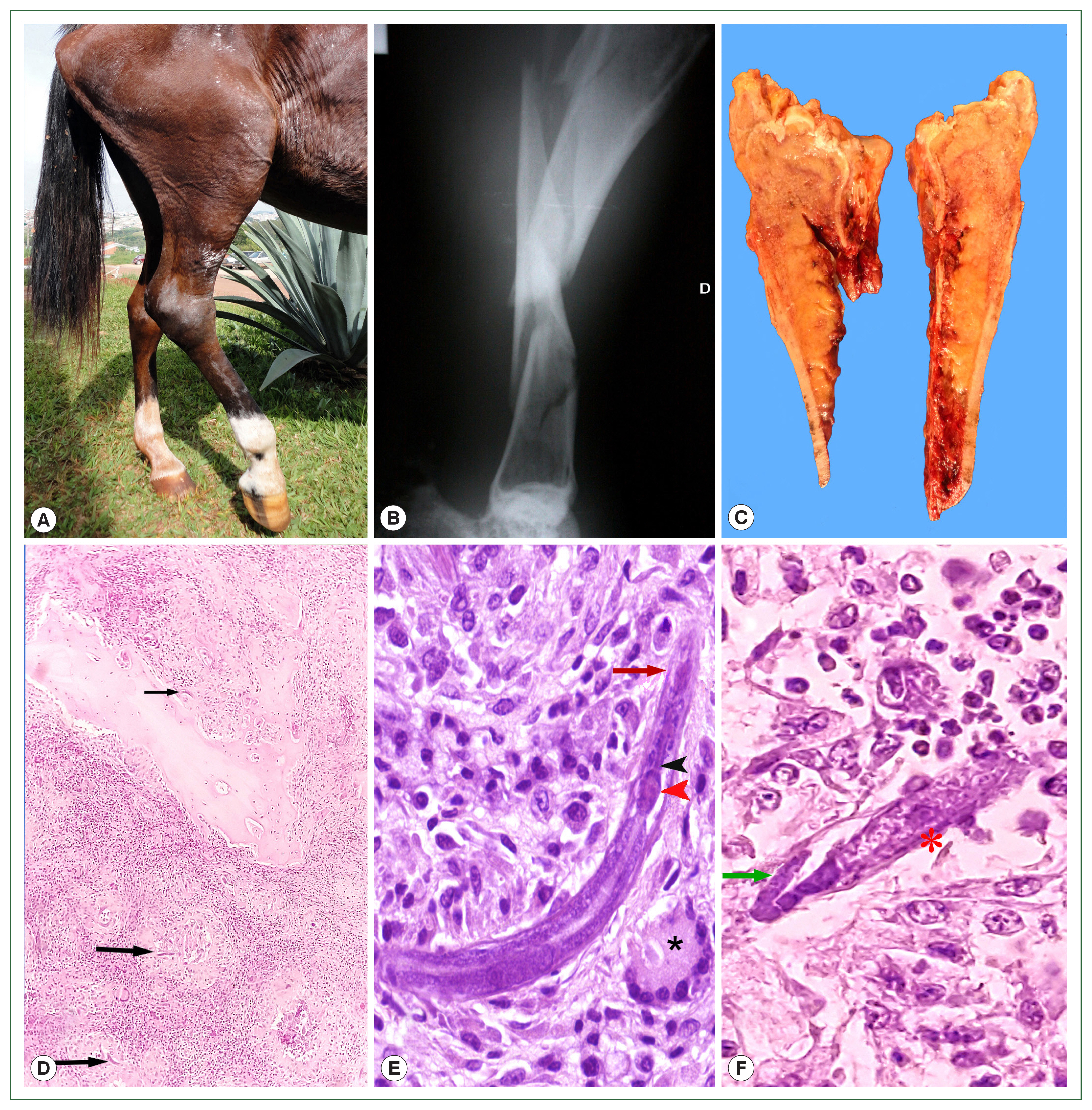
Table 1Morphological description of length and diameter, musculature platymyarian–meromyarian, esophagus rhabditiform, cuticle, uterus, tail, and eggs of the parasite Halicephalobus gingivalis
Table 1
|
References |
[3] |
[5] |
[8] |
[9] |
[10] |
[11] |
[12] |
[13] |
[14] |
[15] |
[16] |
|
Adult |
Length and diameter (μm) |
300–320/15 |
− |
250–350/15–20 |
Not possible/14 to 18 |
− |
220–275/22–25 |
200/15 to 20 |
− |
350/12 to 22 |
− |
− |
|
Musculature platymyarian-meromyarian |
− |
− |
− |
− |
− |
+ |
− |
+ |
− |
− |
− |
|
Esophagus rhabditiform |
Total (77–88 μm), corpus (43–44 μm), isthmus (23–28 μm), posterior bulb (11–16 μm) |
− |
With corpus, isthmus, andvalved bulb |
With corpus, isthmus, and bulb |
With corpus, isthmus, and valved bulb |
Long with terminal bulb |
+ |
With isthmus, bulb, and corpus |
With isthmus, bulb, and corpus |
+ |
+ |
|
Cuticle |
− |
− |
− |
− |
− |
Smooth |
− |
Smooth and thin |
− |
− |
− |
|
Uterus |
Dorsoflexed ovary, the uterus |
− |
Reflected |
− |
− |
Dorsal flexion |
− |
Dorsoflexed |
Dorsally retroflexed |
Dorsally retroflexed uterus at the ovary and ventral flexion of the uterus at the vulva |
− |
|
Tail |
− |
− |
− |
− |
− |
− |
− |
Tapered |
Slender which tapered to a point |
− |
− |
|
|
Larval |
Length and diameter (μm) |
125/10–15 |
80–110/14–18 |
− |
− |
− |
− |
− |
− |
Up to 16 |
− |
− |
|
Musculature platymyarian-meromyarian |
− |
Indistinct |
− |
− |
− |
− |
− |
− |
− |
− |
− |
|
Esophagus rhabditiform |
− |
+ |
− |
− |
− |
− |
− |
− |
+ |
With (corpus: isthmus: bulb ratio of 3:2:1) |
Anterior valve in the bulb portion |
|
Cuticle |
− |
Smooth and thin |
− |
− |
− |
− |
− |
− |
− |
− |
− |
|
Uterus |
− |
Pointed tail |
− |
− |
− |
− |
− |
− |
− |
− |
− |
|
Tail |
43×18 |
− |
− |
− |
− |
− |
− |
− |
Oval, 16×44 μm |
− |
− |
References
- 1. Anderson RC, Linder KE, Peregrine AS. Halicephalobus gingivalis (Stefanski, 1954) from a fatal infection in a horse in Ontario, Canada with comments on the validity of H. deletrix and a review of the genus. Parasite 1998;5(3):255-261. https://doi.org/10.1051/parasite/1998053255
- 2. Avila VA, López-García Y, Hernández-Castro R, Salas-Garrido CG, Ramírez-Lezama J, et al. First case of fatal equine meningoencephalitis caused by Halicephalobus gingivalis in Mexico. Vet Parasitol Reg Stud Reports 2020;20:100399. https://doi.org/10.1016/j.vprsr.2020.100399
- 3. Eydal M, Bambir SH, Sigurdarson S, Gunnarsson E, Svansson V, et al. Fatal infection in two Icelandic stallions caused by Halicephalobus gingivalis (Nematoda: Rhabditida). Vet Parasitol 2012;186(3):523-527. https://doi.org/10.1016/j.vetpar.2011.11.024
- 4. Onyiche TE, Okute TO, Oseni OS, Okoro DO, Biu AA, et al. Parasitic and zoonotic meningoencephalitis in humans and equids: current knowledge and the role of Halicephalobus gingivalis. Parasite Epidemiol Control 2018;3(1):36-42. https://doi.org/10.1016/j.parepi.2017.12.002
- 5. Santana CHS, Oliveira L, Pimentel S, Mendes B, Silva AP, et al. Granulomatous lesions in multiple organs in a horse caused by Halicephalobus gingivalis. Brazilian J Vet Pathol 2019;12(3):111-116. https://doi.org/10.24070/bjvp.1983-0246.v12i3p111-116
- 6. Gracia-Calvo L, Martín-Cuervo M, Durán M, Vieítez V, Serrano F, et al. Maxillary osteomyelitis due to Halicephalobus gingivalis and fatal dissemination in a horse. Arch Med Vet 2014;46(3):407-411. https://doi.org/10.4067/S0301-732X2014000300009
- 7. Simpson RM, Hodgin EC, Cho DY. Micronema deletrix-induced granulomatous osteoarthritis in a lame horse. J Comp Pathol 1988;99(3):347-351. https://doi.org/10.1016/0021-9975(88)90056-4
- 8. Kinde H, Mathews M, Ash L, St Leger J. Halicephalobus Gingivalis (H. Deletrix) infection in two horses in southern California. J Vet Diagn Invest 2000;12(2):162-165. https://doi.org/10.1177/104063870001200213
- 9. Ondrejka SL, Procop GW, Lai KK, Prayson RA. Fatal parasitic meningoencephalomyelitis caused by Halicephalobus deletrix: a case report and review of the literature. Arch Pathol Lab Med 2010;134(4):625-629. https://doi.org/10.5858/134.4.625
- 10. Wilkins PA, Wacholder S, Nolan TJ, Bolin DC, Hunt P, et al. Evidence for transmission of Halicephalobus deletrix (H gingivalis) from dam to foal. J Vet Intern Med 2001;15(4):412-417. https://doi.org/10.1111/j.1939-1676.2001.tb02338.x
- 11. Muller S, Grzybowski M, Sager H, Bornand V, Brehm W. A nodular granulomatous posthitis caused by Halicephalobus sp. in a horse. Vet Dermatol 2008;19(1):44-48. https://doi.org/10.1111/j.1365-3164.2007.00643.x
- 12. Vasconcelos RO, Lemos KR, Moraes JRE, Borges VP. Halicephalobus gingivalis (H.deletrix) in the brain of a horse. Cienc Rural 2007;37(4):1185-1187. https://doi.org/10.1590/S0103-84782007000400047
- 13. Bryant UK, Lyons ET, Bain FT, Hong CB. Halicephalobus gingivalis-associated meningoencephalitis in a Thoroughbred foal. J Vet Diagn Invest 2006;18(6):612-615. https://doi.org/10.1177/104063870601800618
- 14. Akagami M, Shibahara T, Yoshiga T, Tanaka N, Yaguchi Y, et al. Granulomatous nephritis and meningoencephalomyelitis caused by Halicephalobus gingivalis in a Pony gelding. J Vet Med Sci 2007;69(11):1187-1190. https://doi.org/10.1292/jvms.69.1187
- 15. Rames DS, Miller DK, Barthel R, Craig TM, Dziezyc J, et al. Ocular Halicephalobus (syn. Micronema) deletrix in a horse. Vet Pathol 1995;32(5):540-542. https://doi.org/10.1177/030098589503200514
- 16. Johnson JS, Hibler CP, Tillotson KM, Mason GL. Radiculomeningomyelitis due to Halicephalobus gingivalis in a horse. Vet Pathol 2001;38(5):559-561. https://doi.org/10.1354/vp.38-5-559
- 17. Anderson RV, Bemrick WJ. Micronema deletrix n. sp., a saprophagous nematode inhabiting a nasal tumor of a horse. Proc Helminthol Soc Wash 1965;32(1):74-75.
- 18. Stefański W. Rhabditis gingivalis sp. n. parasite trouvé dans un granulome de la gencive chez un cheval. Wiad Parazytol 1954;1:329-334.
- 19. Delvescovo B. Discolored urine in horses and foals. Vet Clin N Am Equine Pract 2022;38(1):57-71. https://doi.org/10.1016/j.cveq.2021.11.005
- 20. Kumar V, Abbas AK, Kumar Aster JC. Robbins Patología Esencial. 1st ed. Elsevier Health Sciences; Philadelphia; USA. 2021. p 352.
- 21. Noiva R, Ruivo P, Carvalho LM, Fonseca C, Fevereiro M, et al. First description of a fatal equine infection with Halicephalobus gingivalis in Portugal. Relevance for public health. Vet Med Sci 2019;5(2):222-229. https://doi.org/10.1002/vms3.142
- 22. deOliveira AM, deSouto EPF, doNascimento MJR, daSilveira GL, Diniz ANS, et al. Dermatite granulomatosa por Halicephalobus gingivalis em um equino no Nordeste do Brasil. Res Soc Dev; 2022. 11(3):e54011326818 (in Português). https://doi.org/10.33448/rsd-v11i3.26818


 , Hugo Shisei Toma1,*


